Reimagine Your Sleep Experience: Explore Premium Bed Linen for Ultimate Comfort
The standard of bed linens serves an important function in boosting sleep quality. Luxurious fabrics, such as Egyptian cotton and bamboo, offer not only comfort but also temperature regulation. Understanding the various materials and their benefits can lead to better sleep experiences. When shoppers examine their choices, they might discover that the proper selection can revolutionize their bedtime routine. This journey raises important questions about fabric selection and its impact on overall well-being.
Why Quality Bed Linen Matters for Sleep
Upon considering the factors that result in a good night's sleep, the importance of quality bed linen often appears as a key element. The right bed linen not only boosts the aesthetic appeal of a bedroom but also plays a crucial role in promoting relaxation and comfort. High-quality fabrics can control temperature, wick moisture, and provide a soft touch against the skin, all of which are essential for a restful slumber.
Moreover, well-made bed linen can decrease irritations and allergies, guaranteeing a healthier sleep environment. The durability of superior materials also means they keep their softness and appearance over time, promoting ongoing comfort. Additionally, investing in quality linen can improve sleep patterns, resulting in improved overall well-being. The choice of bed linen, consequently, should not be disregarded, as it considerably shapes the sleep experience and can transform nighttime rest into a luxurious retreat.
Exploring Bed Linen Fabrics: Cotton, Linen, Plus More
The fabrics used in bed linens are crucial in shaping your sleeping experience, with options like cotton and linen offering distinct advantages. Cotton, known for its softness and breathability, is a popular choice for many. It offers comfort and is easy to care for, making it a practical option. Egyptian cotton, in particular, is celebrated for its exceptional quality and durability.
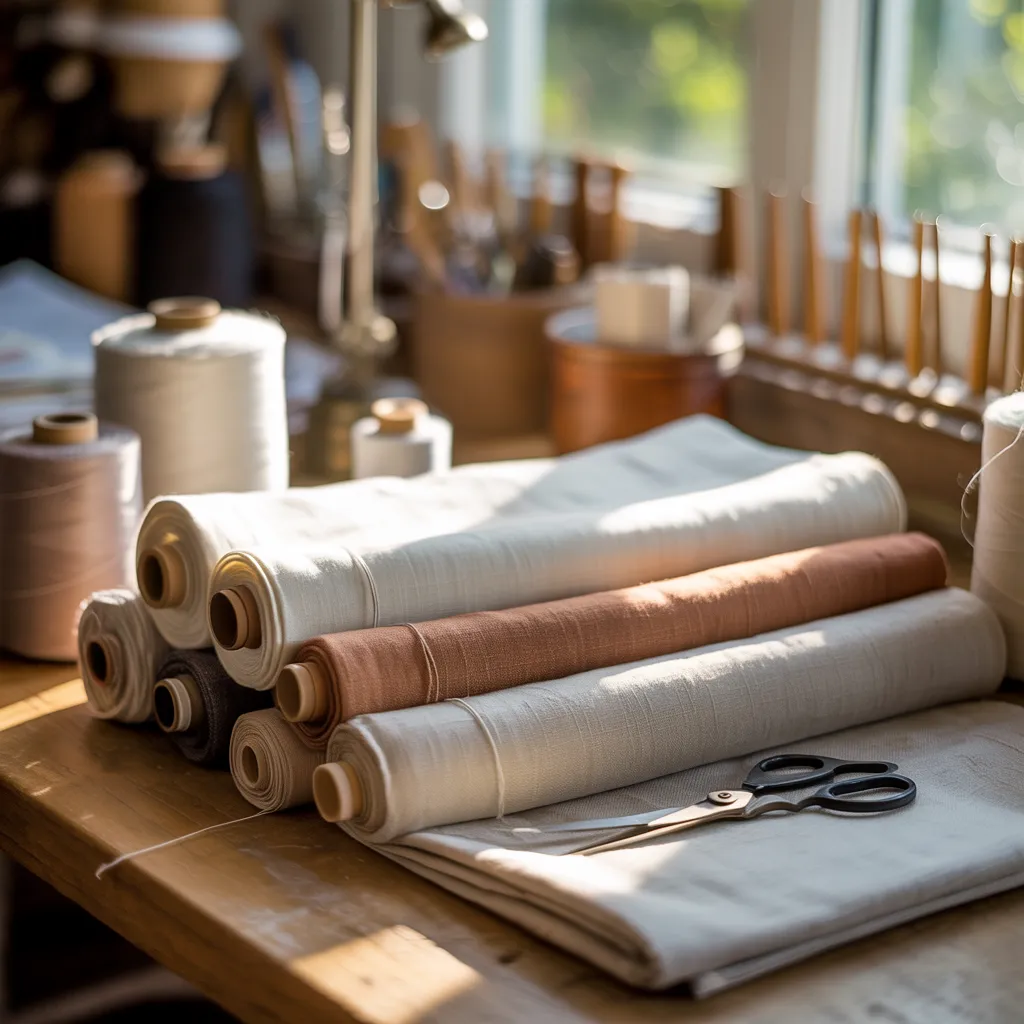
In contrast, linen, extracted from the flax plant, possesses remarkable properties that set it apart. Its natural fibers allow for outstanding moisture-wicking and temperature regulation, keeping sleepers cool during warmer months. In addition, linen becomes softer with each wash, improving its appeal over time.
Different fabrics, for example bamboo and microfiber, have likewise gained popularity. Bamboo is eco-friendly and hypoallergenic, while microfiber offers affordability and easy maintenance. Ultimately, the choice of bed linen fabric influences not only comfort but also the overall quality of sleep.
Grasping Thread Count: How It Influences Your Sleep Quality
What's the relationship between thread count affect sleep quality? Thread count refers to the number of lengthwise and crosswise threads per square inch of fabric. A greater thread count generally suggests a denser weave, which can lead to a more luxurious and softer feel. However, quality matters more than quantity; a thread count over 400 may not noticeably improve comfort.
Studies suggest that fabrics with a thread count ranging from 300 to 600 frequently strike the ideal balance between softness, breathability, and durability. Lower thread counts can lead to rougher textures, compromising sleep comfort, while extremely high counts could lead to overheating.
In addition, the type of material plays an crucial role in total comprehensive article sleep quality. Cotton, as an example, tends to retain moisture more readily, enhancing comfort. Ultimately, understanding thread count helps consumers in making informed determinations, guaranteeing their bedding facilitates restful, uninterrupted sleep.
How to Choose the Right Bed Linen Styles for Your Sleep Needs
What elements should be considered when choosing bed linen styles tailored to individual sleep needs? To commence with, fabric composition holds significant importance; natural fibers like cotton and linen offer breathability, while synthetic materials may offer durability. Additionally, the weave type can affect texture and comfort—sateen offers a silky feel, while percale is cool and airy.
Your personal temperature preference is an important consideration; lighter fabrics are suited for hot sleepers, whilst denser textiles can supply warmth during cooler evenings.
The choice should also be influenced by allergies and sensitivities; hypoallergenic choices exist for people who experience irritations easily.
Finally, the intended aesthetic must not be disregarded; choosing styles that match the bedroom decor can improve the entire sleeping environment. By carefully considering these elements, one can attain a harmonious balance of style and comfort in bed linen.
How Color and Design Impact Your Sleep
The impact of color psychology on sleep quality is significant, as specific hues can stimulate feelings of serenity or anxiety. Furthermore, the design patterns of bed linens play an essential role, with some styles encouraging relaxation while others may produce visual distractions. Comprehending these elements can help individuals make educated choices for their sleep environments.
The Influence of Color Psychology
Color assumes a crucial function in defining the atmosphere of a bedroom, shaping not only the aesthetic appeal but also the quality of sleep. Evidence suggests that distinct colors evoke distinct emotions and physiological responses. For example, tranquil hues like soft blues and greens can produce a serene environment, fostering relaxation and restful sleep. In contrast, bright colors such as reds and yellows may promote energy and alertness, likely disrupting sleep patterns. Subtle tones, like beige and gray, present versatility, facilitating a tranquil yet inviting space. Additionally, the saturation and brightness of colors can further impact mood and comfort levels. Selecting the right color palette for bed linens can therefore be vital in developing an environment supportive of rejuvenating sleep.
Design Patterns and Sleep
Design elements in bed linen can considerably affect sleep quality by complementing or contrasting with the chosen color palette. Understated patterns, such as tender florals or mild stripes, can establish a soothing atmosphere, promoting relaxation and rejuvenating sleep. In contrast, vivid geometric designs or dynamic motifs may stimulate the space, possibly disturbing tranquility.
Furthermore, the interplay of shades with patterns can trigger emotional responses; subtle blues and greens coupled with delicate designs often promote serenity, while warmer colors may encourage activity. Eventually, the selection of bed linen should accord with individual preferences and desired sleep environments. Carefully chosen patterns and colors not only enhance aesthetic appeal but also add to an overall sense of comfort, necessary for achieving restorative sleep.
Why Moisture-Wicking and Breathable Fabrics Are Essential for Better Sleep
While several factors determine sleep quality, the pick of bed linen takes a crucial role, specifically when it comes to breathable and moisture-wicking fabrics. These materials are engineered to maintain temperature and boost airflow, making sure that sleepers continue to be cool and comfortable across the night. Breathable fabrics, such as cotton and linen, provide improved ventilation, decreasing the chance of overheating.
Synthetic fiber-based moisture-wicking materials stand out in their ability to draw moisture away from the skin, ensuring dryness and eliminating sleep-related discomfort. This proves especially advantageous for people who experience nighttime perspiration or reside in hot climate zones. The pairing of breathable qualities with moisture-management features assists in sustaining an optimal sleeping atmosphere, encouraging more profound and rejuvenating rest. Finally, selecting top-tier bed linens constructed from these modern textiles can substantially boost overall rest quality and relaxation.
How to Care for Your Bed Linen Fabrics
Correctly caring for bed linen fabrics is necessary to copyright their longevity and quality. To start, it is advisable to comply with the manufacturer's washing instructions, commonly washing linens in cold or warm water to avoid shrinkage and fading. Using a delicate detergent aids in preserve the fabric's integrity, while avoiding bleach is vital, as it can damage fibers over time.
Drying out bed linens with low heat or air drying is suggested to avoid damage. Ironing should be done on a low setting if preferred, guaranteeing the fabric keeps crisp without excessive heat. Storing linens in a cool, dry place stops mold and mildew, while frequently rotating sets can minimize wear.
In addition, it is vital to address stains promptly by blotting rather than rubbing, as this assists in keep the fabric's appearance. By observing these care practices, individuals can enjoy the luxurious feel of their bed linens for an extended period.
Green Bed Linen Choices for Mindful Consumers
As consumers become more environmentally conscious, eco-friendly bed linen options are increasing in popularity. Environmentally responsible material selections, like organic cotton and bamboo, offer luxurious comfort without negatively impacting nature. In addition, eco-conscious manufacturing practices confirm that these linens are produced with minimal environmental impact.
Environmentally Responsible Material Options
When thinking about luxurious bed linen, many consumers now focus on sustainable material alternatives that reflect their eco-conscious values. Organic cotton, for instance, is a popular choice, cultivated without harmful pesticides and chemicals, fostering healthier ecosystems. Linen, crafted from the flax plant, is another sustainable alternative, as it needs less water and energy during production. Moreover, bamboo-derived fabrics provide a soft, breathable alternative, known for their natural antibacterial properties and rapid renewability. Consumers also select bed linens made from recycled materials, which help lower waste and environmental impact. By selecting these eco-friendly materials, individuals can appreciate the luxury of comfortable sleep while contributing to a more sustainable future, making thoughtful decisions that represent their values and commitment to the planet.
Eco-Conscious Production Methods
Environmentally friendly manufacturing practices play an important role in the production of premium bed linen, ensuring that comfort and sustainability go hand in hand. Several brands prioritize environmentally friendly processes, utilizing renewable energy sources and limiting water usage during production. Moreover, they focus on ethical labor practices, ensuring fair treatment and wages for workers. Organic certification often accompanies these linens, verifying that no harmful chemicals were used in their cultivation or processing. The use of biodegradable packaging further improves the eco-friendliness of these products. By selecting bed linen made through such practices, consumers can enjoy a guilt-free sleep experience, supporting a more sustainable future while indulging in the softness and elegance of top-quality textiles.
Selecting Top Bed Linen Brands: Investing in Quality
Choosing the right bed linen is crucial for creating a relaxing and inviting sleep environment, especially since quality materials can greatly impact sleep quality. Investing in premium bed linen brands ensures durability, softness, and breathability, which are vital for a restful night. Renowned brands like Frette, Brooklinen, and Parachute offer luxurious options made from superior cotton, linen, or microfiber, designed to improve your sleeping experience.
When choosing bed linen, consumers should consider fabric type, thread count, and the manufacturer's reputation for quality. A higher thread count frequently suggests higher quality, but the fabric's weave and finish also play important roles in comfort. Additionally, ethical manufacturing practices are increasingly important to consumers, making brands that prioritize sustainability more appealing. In the end, choosing high-quality bed linen brands is an investment in both comfort and overall well-being, turning the sleep experience into a luxurious retreat.
Questions & Answers
Which Bed Linen Works Best for Allergy Sufferers?
The top bed linen for allergy sufferers includes hypoallergenic materials such as cotton, bamboo, or microfiber. These fabrics resist dust mites, mold, and allergens, fostering a healthier sleep environment for individuals with sensitivities or respiratory concerns.
How Frequently Should My Bed Linen Be Replaced?
Experts recommend replacing bed linen every one to two weeks to maintain hygiene and comfort. Regular washing helps reduce allergens, dust mites, and bacteria, creating a healthier sleep environment for individuals and enhancing overall well-being.
Could Bed Linen Have an Effect on Your Skin Health?
Bed linens substantially influence skin health. Substandard or soiled textiles can trap allergens and bacteria, triggering irritation or breakouts. Choosing breathable, hypoallergenic materials can encourage healthier skin and superior overall comfort during sleep.
What Are the Advantages of Organic Bed Linen?
Organic bed linen offers numerous benefits, including lessened exposure to hazardous compounds, better airflow, improved skin health, and environmental sustainability. These qualities contribute to a healthier sleeping environment and support general wellness for the user.
How Do I Effectively Remove Stains From Bed Linen?
To successfully eliminate stains from bed linen, one should pretreat the stain with a mild detergent, soak in cold water, and then wash on a proper cycle, staying away from hot water to prevent setting the stain.